Get storm-ready! Be hurricane-prepared BEFORE the season starts.
How to Tell If a Tree Needs to Be Removed
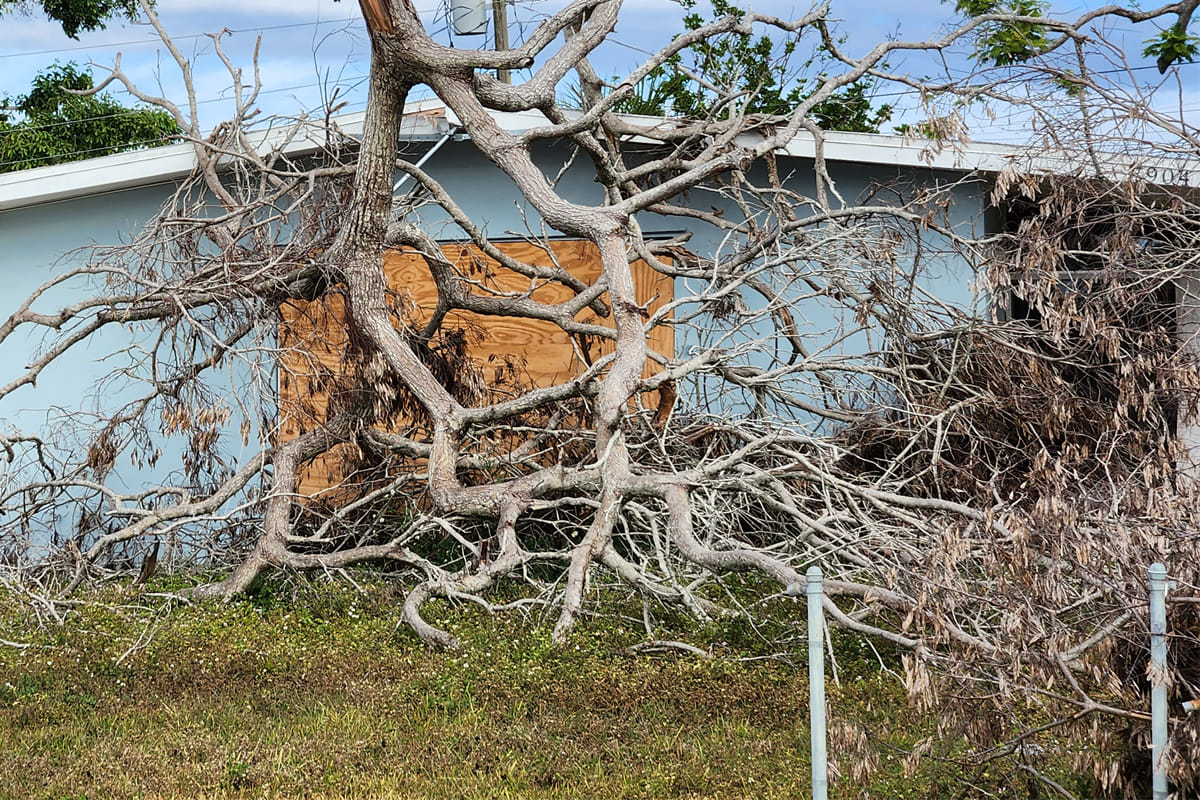
Trees add beauty, shade, and value to your property, but there comes a point when keeping a tree can create more risk than reward. Recognizing the early warning signs of a failing or hazardous tree allows homeowners to act before minor issues turn into serious safety concerns. When you understand what to look for, you can protect your home, your family, and the surrounding landscape while making informed decisions about whether removal is the right step.
Ignoring subtle changes in a tree’s health often leads to larger structural problems, especially in Louisiana where storms, heavy rainfall, and humidity can accelerate decay. Tangi Tree works with homeowners to identify these warning signs early, offering guidance that balances safety with preservation whenever possible. Knowing when a tree has reached the point of removal starts with understanding the visible clues it provides.
Visible Signs a Tree May Be Dangerous
One of the most reliable ways to determine whether a tree needs removal is by observing its physical condition, since trees often show clear external signs when something is wrong internally. While some issues can be treated, others indicate deeper structural failure that cannot be reversed. Paying attention to these warning signs helps you catch problems early and decide when professional evaluation is necessary.
Cracks in the trunk are often one of the first indicators of structural instability, especially when they extend deep into the wood or run vertically along the tree. These cracks weaken the tree’s ability to support its own weight, making it more likely to split or collapse during strong winds or storms. When large cracks are present, it is usually a sign that the tree’s internal integrity has already been compromised.
Hollow or decayed areas in a tree can be misleading, because a tree may still appear healthy on the outside while being significantly weakened inside. When decay spreads through the core of the trunk, the tree loses its strength and becomes prone to sudden failure without much warning. A professional evaluation from an ISA-certified arborist can determine how much structural wood remains and whether the tree can safely stay in place.
Dead or falling branches are another clear sign that a tree may no longer be healthy, especially when large limbs begin to break off without external force. These branches, often referred to as “widowmakers,” pose a serious hazard to anyone nearby and can cause damage to roofs, vehicles, or power lines. Frequent branch drop typically indicates that the tree is in decline and may require removal.
Fungus or mushroom growth near the base of a tree often signals root rot, which is one of the most serious issues a tree can face. When fungi appear around the roots or trunk, they are usually feeding on decaying wood beneath the surface, meaning the tree’s support system is already compromised. This type of damage is rarely reversible and often points toward the need for removal.
When Trees Become a Safety Hazard
Not all dangerous trees look obviously damaged, which is why it is important to understand how environmental factors and structural changes can create risks even when a tree appears relatively healthy. A tree’s position, stability, and recent exposure to stress all play a role in determining whether it poses a threat. Evaluating these factors helps homeowners avoid unexpected failures that could result in serious damage.
A tree that begins leaning toward a structure, driveway, or neighboring property should always be taken seriously, especially if the lean has developed recently. While some trees naturally grow at an angle, a sudden shift often indicates root failure or soil instability. When a tree leans toward a home, the risk of impact during storms increases significantly, making removal a proactive safety measure.
Root damage or soil upheaval around the base of a tree can signal that the tree is losing its foundation, which is essential for stability. Uplifted soil, exposed roots, or visible gaps between the ground and the trunk are often signs that the tree is starting to tip or shift. In these cases, even a moderate storm can cause the tree to fall unexpectedly.
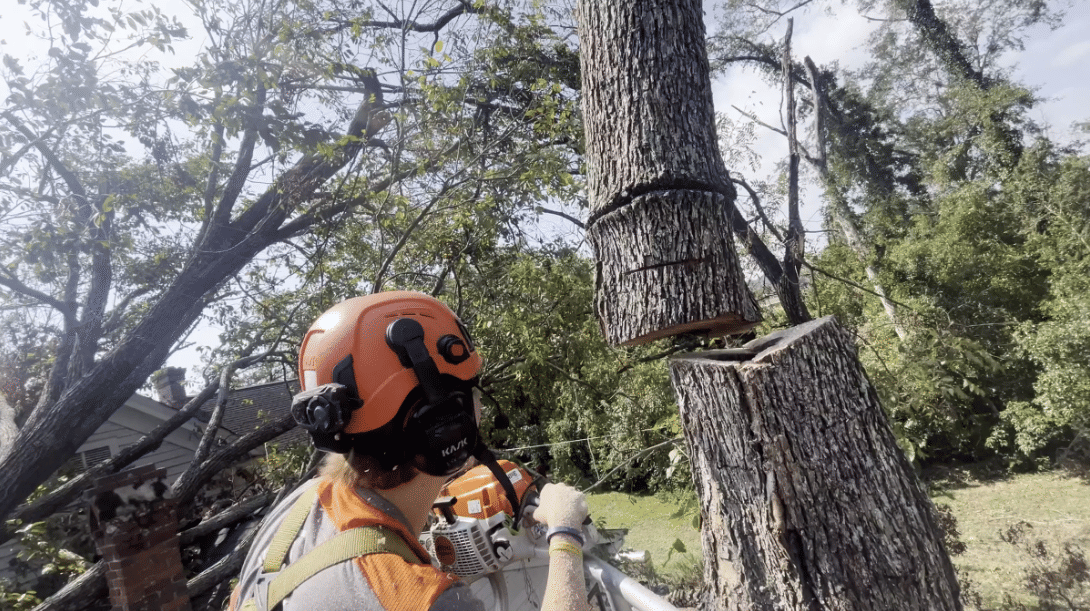
Storm-damaged or lightning-struck trees require careful evaluation, as the damage is not always immediately visible from the outside. High winds can weaken branches and trunks, while lightning can destroy internal tissues that are critical for the tree’s survival. A licensed arborist in Louisiana can assess the extent of the damage and determine whether the tree can recover or if removal is the safer option.
Risks of Ignoring Tree Removal
Delaying the removal of a hazardous tree often leads to consequences that are far more costly and dangerous than addressing the issue early. Trees rarely fail without warning, but when those warnings are ignored, the results can be sudden and severe. Understanding the risks involved helps homeowners prioritize safety and make timely decisions.
Property damage is one of the most common outcomes of neglecting a failing tree, especially when limbs or entire trees fall during storms. Roof damage, broken windows, and crushed vehicles are all preventable scenarios when hazardous trees are removed in advance. Repair costs can quickly exceed the cost of professional tree removal, making early action a practical investment.
Safety risks to people and pets are even more concerning, as falling branches or collapsing trees can cause serious injuries. Areas where children play, pets roam, or people gather should always be free from overhead hazards. Removing a dangerous tree eliminates the risk of unpredictable failures that could lead to accidents.
The spread of disease to nearby trees is another often-overlooked consequence of leaving a compromised tree in place. Fungal infections, pests, and decay can transfer from one tree to another, weakening the entire landscape over time. Removing an infected tree helps protect the health of surrounding trees and preserves the overall integrity of your property.
Professional Tree Inspection and Removal
Determining whether a tree needs to be removed is not always straightforward, which is why professional evaluation plays such an important role in the decision-making process. While homeowners can identify visible warning signs, a trained expert can assess the internal condition of the tree and provide a clear recommendation. This level of insight ensures that decisions are based on safety and long-term outcomes rather than guesswork.
An ISA-certified arborist brings specialized knowledge and training to every inspection, allowing them to evaluate structural integrity, disease progression, and environmental factors with precision. These professionals understand how trees respond to stress and can identify issues that are not immediately visible to the untrained eye. Working with an ISA arborist gives homeowners confidence that their trees are being assessed accurately.
Choosing an ISA-certified arborist near me ensures that you are working with someone who meets nationally recognized standards for tree care and safety. In Louisiana, where weather conditions can be unpredictable, having a qualified expert evaluate your trees is especially important. A licensed arborist in Louisiana will also be familiar with local tree species and environmental challenges, providing recommendations tailored to your specific property.
Tangi Tree works with certified DBE contractors and experienced professionals to deliver reliable tree removal services that prioritize safety and efficiency. From initial inspection to final cleanup, every step is handled with care to minimize disruption and protect your property. Whether a tree needs to be removed immediately or monitored over time, having a trusted team makes all the difference.
Call Tangi Tree for Tree Removal Services in Louisiana
When a tree begins to show signs of decline or instability, waiting too long to act can lead to serious consequences that are difficult to reverse. Tangi Tree provides expert evaluations and professional removal services designed to keep your property safe while preserving the health of your landscape whenever possible. With the guidance of an ISA-certified arborist, you can make informed decisions that protect both your home and your peace of mind.
If you are searching for an ISA-certified arborist near me or need a licensed arborist in Louisiana to assess your trees, Tangi Tree is ready to help. Their team combines experience, training, and local knowledge to deliver results you can trust, whether you are dealing with storm damage, disease, or structural concerns. Reach out today to schedule an inspection and take the first step toward a safer property.
The most common signs include large cracks in the trunk, hollow or decayed wood, persistent dead branches, and visible fungal growth near the base. Each of these indicators points to structural weakness or internal decay that can compromise the tree’s stability over time.
A leaning tree, especially one that has shifted suddenly, is another major warning sign that should not be ignored. When these issues appear together, the likelihood of failure increases, making professional evaluation essential.
Some diseased trees can be treated if the issue is caught early and has not spread extensively throughout the tree. Treatments may include pruning affected areas, improving soil conditions, or applying targeted care to address the underlying problem.
However, when disease has weakened the structure of the tree or spread to critical areas like the roots or trunk, removal may be the safest option. An ISA-certified arborist can determine whether treatment is viable or if removal is necessary to prevent further risks.
Arborists evaluate several factors, including the tree’s structural integrity, overall health, and proximity to people or structures. They look for signs of decay, root damage, and environmental stress that could increase the likelihood of failure.
Using their training and experience, an ISA arborist can assess both visible and hidden issues to determine the level of risk. This comprehensive approach ensures that recommendations are based on safety, not just appearance.
Tree removal is not always required after storm damage, as some trees can recover with proper care and pruning. Minor damage, such as small broken branches, can often be addressed without removing the entire tree.
Severe damage, including split trunks, major limb loss, or compromised roots, may require removal to prevent future hazards. A licensed arborist in Louisiana can evaluate storm-damaged trees and recommend the best course of action based on their condition.
Choose Tangi Tree for Safe, Reliable Tree Removal
When your property and safety are on the line, choosing the right team matters, and Tangi Tree brings the experience and professionalism needed to handle every situation with confidence. Their team includes ISA-certified arborists and certified DBE contractors who understand how to assess risk, protect your landscape, and remove hazardous trees without unnecessary disruption. From the first inspection to the final cleanup, every step is handled with care, clear communication, and a focus on doing the job right the first time. If you are searching for an ISA-certified arborist near me or need a licensed arborist in Louisiana you can trust, Tangi Tree is ready to help you move forward with peace of mind.

Tangi Tree is an ISA-certified arborist and DBE-certified contractor providing professional tree care across the South, backed by Louisiana state licensing and industry certifications.
Arborist License #2577 #2665
(985) 370-6100 




On Staff
Quick Links
Services
Get in Touch
Northshore: 985-370-6100
Southshore: 504-447-8733
Baton Rouge: 225-277-7724
Mississippi: 601-901-7330
©2026 Tangi Tree Co — All Rights Reserved — Privacy Policy