Get storm-ready! Be hurricane-prepared BEFORE the season starts.
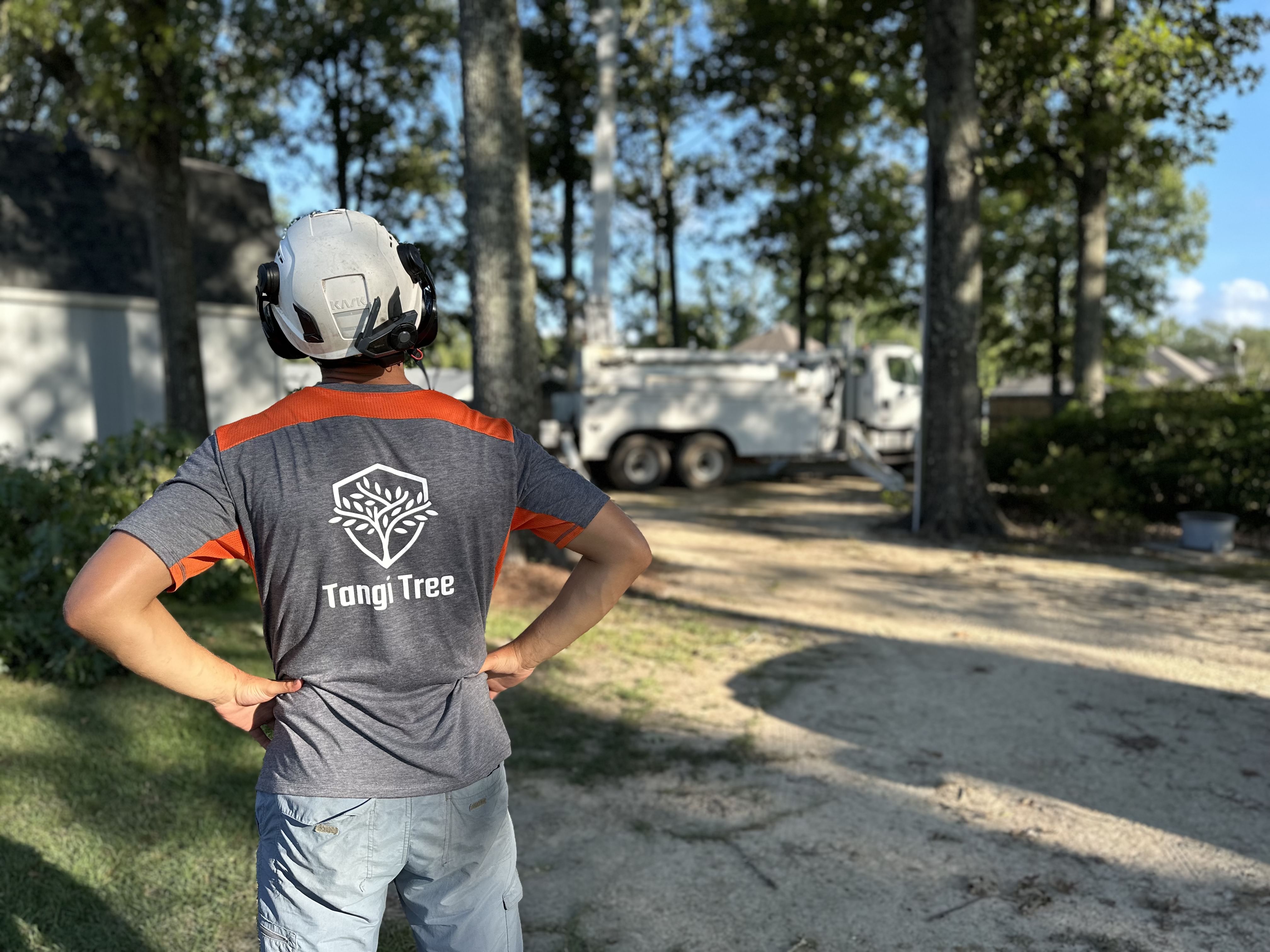
Hurricane Tree Preparation: How to Protect Your Trees before the Storm
Hurricanes have a way of turning “that tree has always been fine” into a very expensive surprise, especially when wind, rain, and saturated soil arrive as a package deal. Tree preparation is not about making your yard perfect, it is about reducing the odds that a branch becomes a projectile or that a whole tree tips toward your roof. The good news is that most storm damage is predictable, which means you can plan around it instead of reacting in panic. A few smart steps, done early and done correctly, can help your trees ride out extreme weather with fewer broken limbs and less long-term stress.
Why Trees Fail in Hurricanes
Most hurricane tree failures come down to physics, not bad luck, because wind pushes on the canopy like a sail while rainwater makes the ground softer and less supportive. A tree with long, heavy limbs and dense foliage catches more wind, which increases leverage at the trunk and at major branch unions. Saturated soil reduces friction around roots, which is why you often see trees tip after long periods of rain even when the wind does not seem outrageous. Hidden decay makes this worse, since a trunk can look solid from the outside while being weak where it matters most. Storm prep works because it reduces wind resistance, improves structure, and identifies weak points before the weather forces the issue.
What Makes a Tree Storm-Resistant?
A storm-resistant tree usually has a strong central trunk, well-spaced scaffold branches, and branch attachments that form wide angles instead of tight V-shaped unions. Healthy trees also tend to have better taper, meaning the trunk gradually thickens toward the base, which helps them flex instead of snap. Root systems matter as much as what you can see above ground, because broad, well-established roots in stable soil hold better than shallow roots in constantly compacted or disturbed areas. Species and growth habits play a role too, since some trees naturally develop sturdier structure while others grow fast and brittle unless they are trained early. Wind resistance is never guaranteed, yet good structure gives a tree more ways to absorb force without breaking.
Homeowners can influence more than they think, even when they cannot change the species already planted in the yard. Consistent pruning that focuses on structure, weight reduction, and deadwood removal can lower failure risk without stripping the tree bare. Soil conditions, irrigation habits, and mulching choices affect root health over time, which becomes a major factor during long, wet storms. Spacing and competition matter as well, since crowded canopies tangle and rub, then wounds become entry points for decay. A simple, repeatable routine, paired with occasional professional assessments, usually beats last-minute cutting every time.
The Best Time to Start Preparing
The smartest hurricane tree preparation starts well before the forecast cone shows your zip code, because high-quality pruning is a planned project, not a rushed weekend chore. Structural pruning and canopy balancing are often best handled during calmer parts of the year when a tree can recover gradually, and when crews can work safely without emergency backlogs. Last-minute pruning is risky because it tempts people to remove too much, make poor cuts, or climb when the weather is already unstable. Proactive work also gives you time to spot trees that should be removed, which is a different decision than trimming and usually requires more planning. When hurricane season approaches, your goal should be maintenance and monitoring, not dramatic changes.
Pruning for Wind: Less Sail, More Strength
Good storm pruning is about reducing wind load while keeping the tree’s natural form, since a balanced canopy handles gusts better than a lopsided one. Selective thinning removes specific branches to improve airflow, while reduction pruning shortens overly long limbs so they have less leverage in high wind. The key is precision, because taking random branches off the outside can create imbalance and can push more stress onto fewer remaining limbs. Professional crews avoid “lion tailing,” where interior branches are removed and foliage is left at the tips, because that shape actually increases whipping and breakage. A well-pruned tree looks slightly lighter, not stripped, and it should still have a healthy distribution of foliage along its main branches.
Cut quality matters as much as what you remove, because improper cuts leave stubs, tear bark, or create wounds that decay spreads through. Deadwood removal is one of the highest-value steps you can take, since dead limbs snap easily and often fall without much warning. Crossing branches and rubbing limbs are also worth addressing, because constant friction creates wounds that weaken the tree before the storm even arrives. A thoughtful crown reduction can be especially useful for trees with long, extended limbs over roofs, driveways, or play areas. The best approach is a structural plan that protects both the tree and the property, rather than a one-time haircut.
Should You Top Your Trees?
Tree topping might feel like the fastest way to make a tree “shorter,” yet it usually makes hurricane risk worse over time because it forces weak, fast regrowth and opens the door to decay. Large topping cuts remove natural branch structure, then the tree responds with clusters of upright shoots that attach poorly and break more easily in future storms. Those big wounds also struggle to seal, which can lead to internal rot that stays hidden until the tree fails under pressure. Proper alternatives include crown reduction and structural pruning, which reduce height or spread while keeping strong branch attachments and a natural shape. If a tree is simply too large for the location, removal and replacement with a better-suited species can be the safer long-term decision.
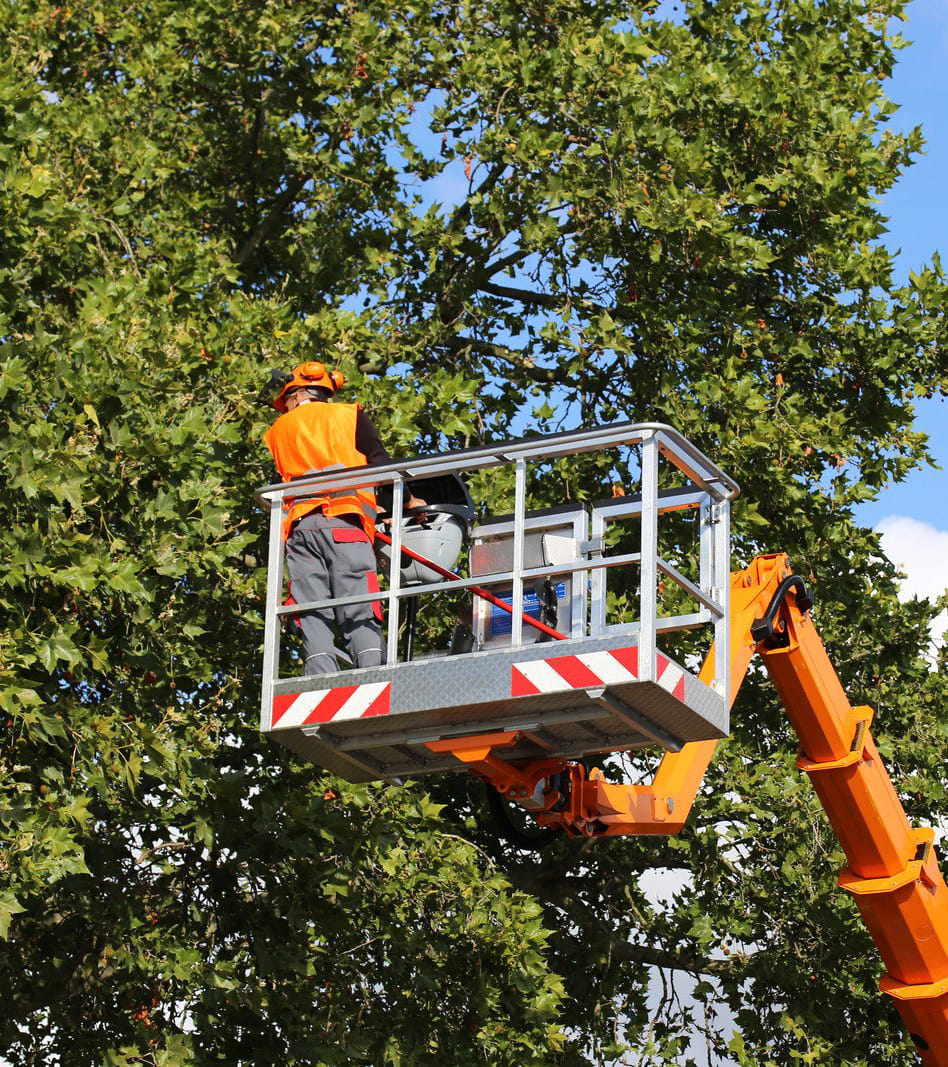
Roots Matter: Soil, Mulch, and Watering Strategy
Roots are your tree’s anchor, and hurricane winds exploit weak anchoring fast, especially when heavy rain turns soil into a softer, shifting base. Consistent mulching helps regulate soil temperature and moisture, yet mulch should sit in a flat, wide ring rather than piled against the trunk, because “mulch volcanoes” encourage rot and unhealthy surface roots. Watering strategy matters too, since frequent shallow watering trains roots to stay near the surface, while deep, spaced watering encourages deeper rooting when conditions allow. Soil compaction from parked vehicles, foot traffic, and heavy equipment can reduce oxygen and limit root growth, which makes stability worse during storms. Improving root conditions takes time, yet steady progress in the months before hurricane season can make a noticeable difference.
Spot the Red Flags before a Storm
A quick yard check can reveal problems that deserve attention, especially if you know what to look for and you take your time. Visible cracks in the trunk, peeling bark, oozing areas, and fungal growth near the base can signal internal decay or structural weakness. A tree that recently began leaning, or a tree with raised soil on one side of the root zone, may be shifting in the ground, which becomes dangerous when storms bring more rain. Large dead sections in the canopy, thin foliage, and sudden branch dieback can point to stress that reduces a tree’s ability to flex and recover. Tight V-shaped unions with included bark are another common failure point, since those attachments split under load more easily than wide-angled unions.
A storm prep inspection should also focus on targets, meaning what the tree could hit if it fails, because risk is always about the combination of weakness and consequences. Limbs over roofs, driveways, fences, and power service lines deserve extra attention, even if the tree looks healthy overall. Binoculars help you scan for hanging dead limbs and old break points, since those areas often shed wood when wind starts shaking the canopy. Photographs are useful for tracking changes over time, which makes it easier to notice when a crack spreads or when lean increases. When a red flag appears, professional assessment is the safer move, since guessing wrong can lead to preventable property damage.
Young Trees Need a Different Plan
Young trees often survive hurricanes better than older ones because they are flexible, yet they also need guidance so they do not grow into storm problems later. Structural pruning while a tree is small helps establish strong scaffold branches and reduces the chance of weak attachments developing in the first place. Staking should be temporary and done correctly, because a tree that never learns to move slightly in the wind can develop a weaker trunk. Watering should support steady growth without creating shallow roots, which means deep watering during dry stretches rather than frequent light watering that keeps the surface constantly damp. A young tree that is trained early can become the most reliable tree in the yard years down the line.
What to Do 72 Hours before Landfall?
When a storm is close, preparation shifts from improvement to safety, because the goal becomes reducing immediate hazards without creating new ones. Loose items in the yard should be secured so they do not slam into trunks or strip bark, and vehicles should be parked away from large trees when possible. Major pruning is not a good last-minute project, since rushed cuts and ladders are a bad mix with changing wind and rain, plus fresh wounds can stress trees when they need stability most. A better move is to identify high-risk limbs, mark off areas that should be avoided during the storm, and plan where people will park and walk. Emergency readiness is about smart boundaries and clear decisions, not heroic cutting at the last second.
Communication matters in that final window, especially if you suspect a tree is already compromised and could fail with the first big gust. Professional crews can sometimes address urgent hazards quickly, yet availability tightens as landfall approaches, so earlier calls typically get better outcomes. Photographs and notes about obvious defects help a crew assess risk faster if they can get to you, and they also help with documentation if damage occurs. A simple household plan, such as keeping everyone away from certain rooms or areas during peak wind, can reduce injury risk if a tree does come down. Preparation feels calmer when you treat it like a checklist of safe actions rather than a race to “fix” everything.
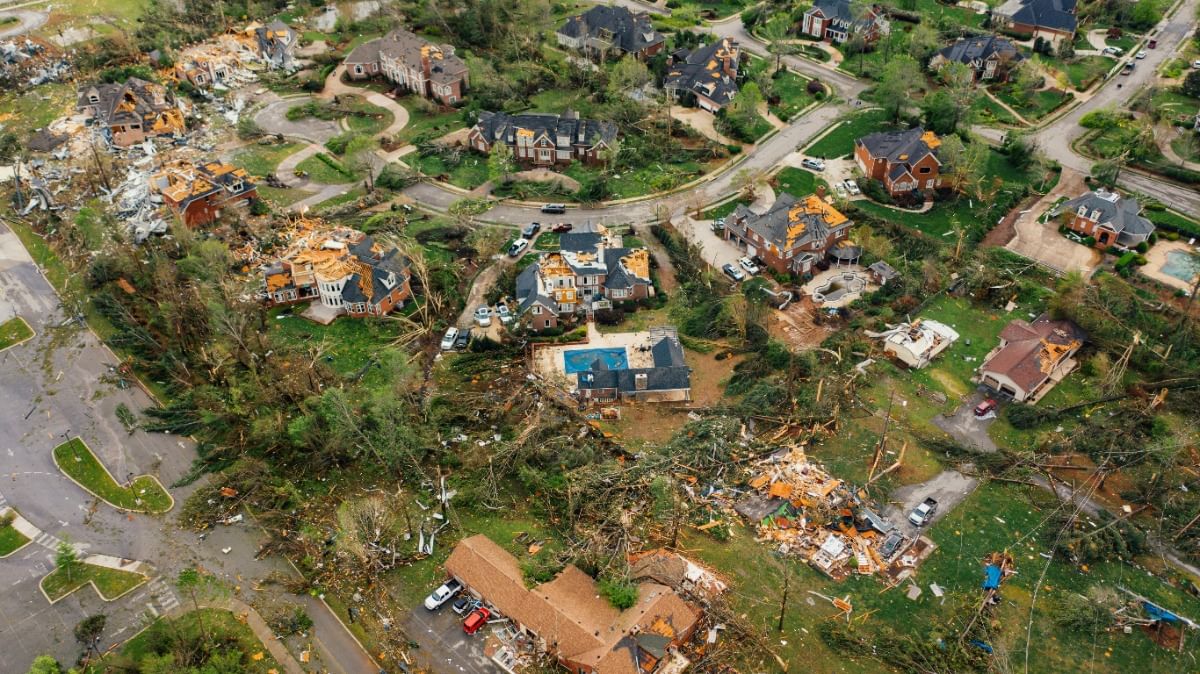
After the Storm: First Steps for Safety and Recovery
The first priority after a hurricane is safety, because storm-damaged trees can hold hidden tension that releases suddenly when cut or disturbed. Downed or leaning trees near power lines should be treated as energized until the utility provider confirms otherwise, and no one should touch branches that are contacting wires. Broken limbs that are hung up in the canopy, sometimes called “widowmakers,” can fall without warning, especially as winds continue to gust after the main storm passes. Chainsaws and ladders add risk when people are tired, stressed, and working around unstable wood. A cautious approach prevents a bad situation from turning into an injury.
Once the area is safe, recovery becomes a triage process, since not every tree needs the same response and not every broken limb means the tree is lost. Clean pruning cuts on broken branches help trees heal better than ragged tears, yet cuts should be made in the right place so the tree can seal the wound properly. Trees that lost large portions of canopy may need time and careful pruning over multiple seasons, because aggressive cutting right after a storm can push them into further decline. Watering and mulching can support recovery, especially if salt spray or prolonged flooding stresses the root zone. A professional assessment can help you decide which trees can be restored and which ones pose ongoing risk.
When to Call a Professional Tree Service?
Professional help is the right call when the job involves height, heavy limbs, proximity to structures, or anything near electrical lines, because those conditions turn minor mistakes into major consequences. Large storm prep pruning requires skill in weight distribution and cut selection, not just a willingness to remove branches, since poor pruning can weaken a tree for years. A qualified crew also has the equipment to control the direction of falling wood, protect nearby property, and work efficiently without improvising with unsafe tools. Insurance and liability considerations matter too, especially when work is near roofs, fences, vehicles, or neighboring property. The goal is not only getting the job done, it is getting it done without trading one risk for another.
A professional plan can include storm-focused pruning, tree health evaluation, and recommendations that fit your yard, your trees, and your risk level. Some trees benefit from selective reduction, while others may need cabling or bracing to support weak unions, and some are simply better removed before they fail. Tangi Tree can help you prioritize what to do now versus what to schedule later, which prevents rushed decisions when the forecast gets serious. Clear communication, careful workmanship, and a focus on long-term tree health make hurricane prep feel less overwhelming. When you want your trees safer without sacrificing the beauty and shade that made you love them, professional guidance is often the most cost-effective move.
How Tangi Tree Helps You Prepare with Confidence
Tangi Tree approaches hurricane tree preparation with a practical mindset that respects both safety and the life of the tree, since a well-prepared canopy should be stronger without looking butchered. A professional assessment can identify structural issues, decay indicators, and high-risk limbs, then translate those findings into a clear plan you can act on. Pruning is handled with storm resilience in mind, focusing on airflow, weight reduction, and strong structure, while protecting the tree’s natural form and long-term health. Recommendations are tailored to your property, whether that means proactive trimming, staged restoration pruning, or removal of trees that pose unacceptable risk. If you want to enter hurricane season with fewer worries and a yard that is genuinely better prepared, reach out to Tangi Tree and get a plan that fits your trees and your home.


Tangi Tree is an ISA-certified arborist and DBE-certified contractor providing professional tree care across the South, backed by Louisiana state licensing and industry certifications.
Arborist License #2577 #2665
(985) 370-6100 




On Staff
Quick Links
Services
Get in Touch
Northshore: 985-370-6100
Southshore: 504-447-8733
Baton Rouge: 225-277-7724
Mississippi: 601-901-7330
©2026 Tangi Tree Co — All Rights Reserved — Privacy Policy