Get storm-ready! Be hurricane-prepared BEFORE the season starts.
Stump Grinding vs. Stump Removal: Which Is Right for Your Yard?
A leftover tree stump can seem harmless at first, especially after the larger tree removal work is finished and your yard suddenly feels open again. Over time, though, that stump can become more than an eyesore, since it may interfere with mowing, attract pests, create a tripping hazard, or make it harder to use the space the way you planned. Once you decide it needs to go, the next question is usually whether stump grinding or full stump removal makes more sense for your yard. Both options solve the same general problem, but they work in very different ways, and the right choice depends on your property, your plans, your budget, and the condition of the stump itself.
For homeowners in Louisiana, stump decisions can also be shaped by local soil conditions, heavy rainfall, root spread, lawn drainage, and the way trees grow around homes, fences, driveways, and outdoor living areas. A stump near a patio may need a different solution than one sitting in the back corner of a large yard, and a stump left after storm damage may need to be handled differently than one from a planned tree removal. Tangi Tree helps homeowners look at the whole picture instead of treating every stump the same. When you understand what each option does, what it leaves behind, and how it affects your yard afterward, it becomes much easier to choose the approach that fits your property.
What Is Stump Grinding?
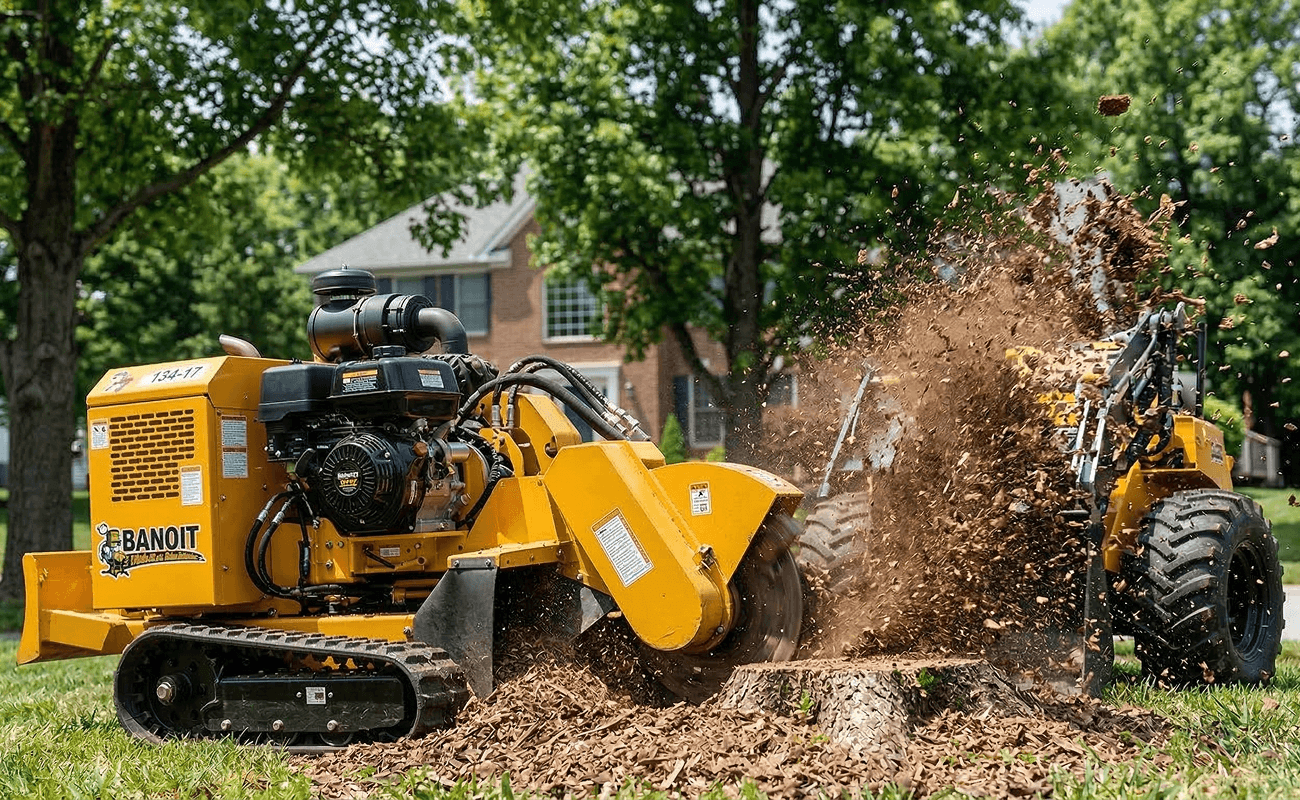
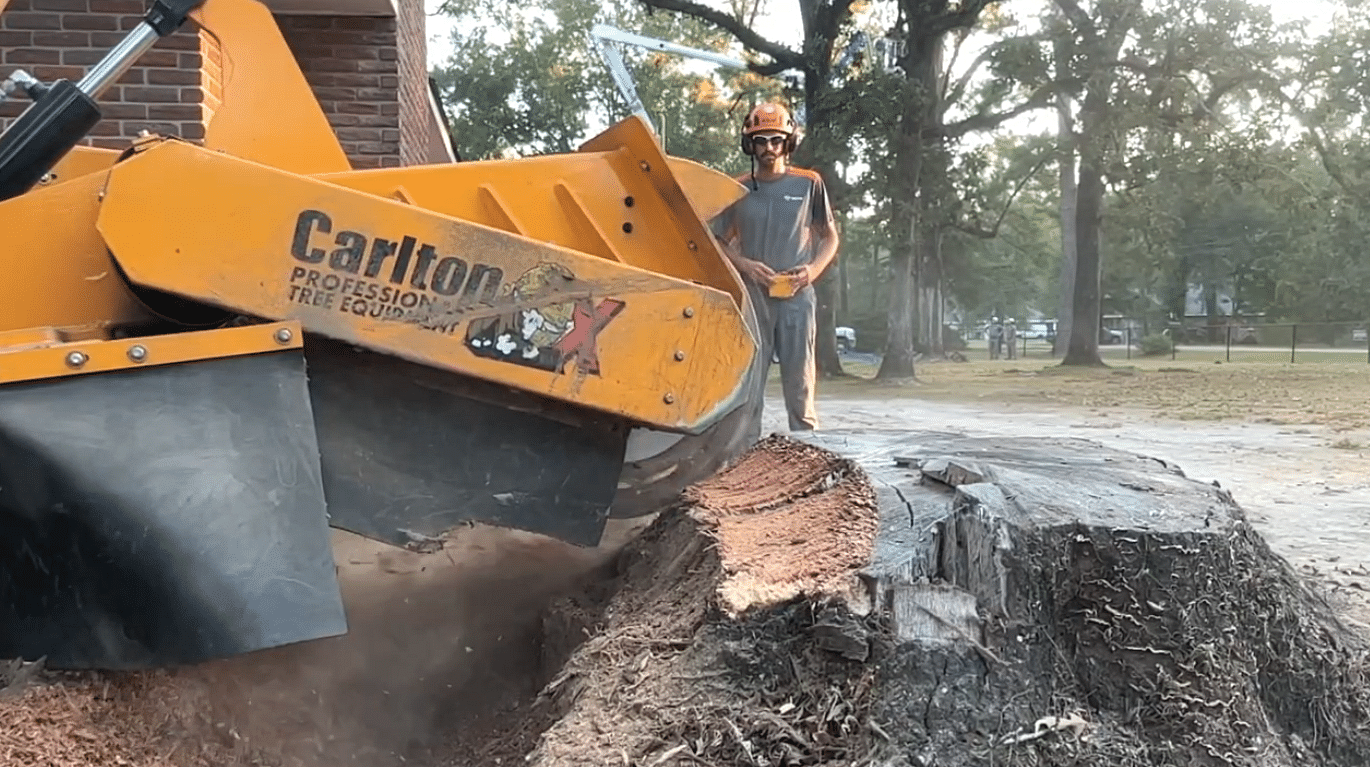
Stump grinding is a process that uses specialized equipment to grind the visible stump down below the surface of the soil. Instead of pulling the entire stump and root system out of the ground, the machine shaves the wood into small chips until the remaining stump is low enough to be covered with soil, mulch, or grass. The depth can vary based on the job, but the goal is usually to eliminate the part of the stump that sticks up, gets in the way, and makes the yard harder to maintain. For many homeowners, this provides a clean, practical solution without tearing up a large section of the lawn.
One major advantage of stump grinding is that it is generally less invasive than full stump removal. Since the roots stay in the ground and decay naturally over time, there is usually less disruption to nearby landscaping, sidewalks, irrigation lines, and surrounding soil. The leftover wood chips can often be used as mulch in certain areas, although they may need to be removed or mixed properly depending on how you plan to restore the spot. If your main goal is to remove the visible stump and make the yard usable again, grinding is often the fastest and most efficient option.
What Is Stump Removal?
Stump removal is a more involved process because it removes the stump along with a significant portion of the root system. This may require digging, pulling, cutting, or using heavy equipment, depending on the size of the stump, the type of tree, the age of the root system, and how deeply the roots have grown. While grinding focuses on the part of the stump above and just below ground level, removal aims to take out the stump structure itself. This leaves behind a larger hole, which then needs to be filled, leveled, and prepared for whatever comes next.
Full stump removal is often chosen when the roots would interfere with a future project. For example, if you plan to build a patio, install a driveway extension, plant a new tree in the same spot, or complete a construction project, leaving the root system underground may not be ideal. Removal can also make sense when a stump is located in an area where root decay could cause settling or where future digging is expected. Although it usually takes more labor and creates more disturbance, it gives you a more complete reset of that section of the yard.
How Do Stump Grinding and Stump Removal Differ?
The biggest difference between stump grinding and stump removal is what happens below the surface. Stump grinding removes the visible stump and grinds part of the wood below grade, but the roots remain underground and slowly break down over time. Stump removal takes a more aggressive approach by extracting the stump and many of the major roots, leaving a larger open area behind. This difference matters because it affects cost, cleanup, soil disturbance, and what you can do with the space afterward.
Another difference is the amount of repair your yard may need after the work is complete. Stump grinding usually leaves behind a smaller, more manageable area that can be covered, leveled, and reseeded with less effort. Stump removal creates a larger hole, and the surrounding lawn may need more attention once the root system is pulled out. Neither option is automatically better in every situation, but each one has strengths that make it a better fit for certain yards and goals.
Stump Grinding Is Often the Practical Choice for Everyday Yard Use
For many homeowners, stump grinding is the best fit because it solves the most common problems without creating unnecessary disruption. If the stump is mainly in the way of mowing, making the yard look unfinished, or preventing you from using a section of lawn, grinding can usually handle the issue cleanly. Once the stump is ground down and the area is restored, the yard becomes easier to maintain and more comfortable to walk through. This makes stump grinding a popular choice for residential properties where the goal is simple, practical improvement.
Grinding can also be a smart option when the stump is near other features you want to protect. Roots may run close to fences, flower beds, walkways, plumbing lines, or underground utilities, and full removal could cause more damage than the stump itself. Since grinding targets the stump rather than ripping through the entire root system, it often allows the surrounding yard to stay more intact. A professional tree service can evaluate the location and help determine whether grinding is the safer and cleaner route.
When Does Full Stump Removal Make More Sense?
Full stump removal may be the better option when you need the area completely cleared for a future project. If you are planning to install a structure, pour concrete, rebuild a landscape bed, or plant a new tree in the same exact location, the remaining root system may get in the way. Roots left underground can decay unevenly, and that process may affect soil stability depending on the site and the project. In these situations, removing the stump more completely can prevent future frustration.
Stump removal may also be worth considering when the stump is unusually large, diseased, or located in an area where root growth has already caused problems. Some trees produce wide, stubborn root systems that continue to interfere with lawn grading, drainage, or nearby hardscapes even after the trunk is gone. While grinding can remove the visible stump, it will not solve every root-related issue. A careful inspection can help determine whether the roots are a minor concern or a major reason to choose removal instead.
Which Option Is Better for Curb Appeal?
Stump grinding usually offers the quickest curb appeal improvement because it removes the visible stump without leaving behind a major excavation area. Once the stump is gone, the space can be leveled, covered, and blended back into the yard much more easily than many homeowners expect. This is especially helpful in front yards, side yards, and high-traffic areas where appearance matters right away. If you want the property to look cleaner without turning the area into a larger project, grinding is often the better fit.
Full stump removal can also improve curb appeal, but it may require more follow-up work before the yard looks finished. After the stump and roots are removed, the remaining hole needs to be filled properly, compacted as needed, and restored with sod, seed, mulch, or new landscaping. The result can look excellent when done correctly, but the process usually takes more planning. If appearance is your main concern and no major construction is planned, stump grinding typically delivers a cleaner path with less disruption.
Which Option Is Better for Lawn Care?
A stump can make lawn care more annoying than it needs to be, especially when it forces you to maneuver around it with a mower or trimmer. Stump grinding usually fixes that issue by lowering the stump below the surface so the area can eventually be mowed normally again. After the wood chips are handled and the spot is leveled with soil, grass can often be reestablished over the area. This helps turn a frustrating obstacle into a usable part of the lawn again.
Stump removal can also support lawn restoration, but the larger hole may require more soil preparation before grass grows evenly. If the area is not filled and compacted correctly, it may settle over time, creating a dip that collects water or feels uneven underfoot. That does not mean removal is a bad choice, but it does mean the aftercare matters. For basic lawn maintenance, grinding usually creates fewer complications and allows the yard to return to normal faster.
What About Pests, Fungi, and Decay?
Old stumps can attract insects, fungi, and other forms of decay as the wood breaks down. This does not always mean there is an immediate threat to your home, but a decaying stump can become a nuisance, especially if it is close to the house, a deck, a fence, or other trees. Stump grinding removes much of the exposed wood that pests and fungi use, which can reduce the problem significantly. Since the underground roots remain, natural decay still happens, but it takes place below the surface and is usually less noticeable.
Full stump removal removes more of the wood at once, which can be helpful if the stump is severely decayed, pest-heavy, or located in a sensitive area. If termites, carpenter ants, or fungal growth are already a concern, a more complete removal may provide greater peace of mind. The best choice depends on the stump’s condition and where it sits on the property. A professional assessment can help you avoid overreacting to a minor issue or underestimating a stump that needs more serious attention.
How Do Roots Affect the Decision?
Roots are one of the biggest factors in deciding between stump grinding and stump removal. With stump grinding, the main root system stays underground, where it slowly decomposes over time. This is usually fine when the area will remain lawn, mulch, or a simple planting bed. Since the roots are no longer feeding a living tree, they generally become less of a concern as they break down.
The decision changes when roots are near hardscapes, foundations, drainage areas, or planned improvements. If old roots are likely to interfere with digging, grading, concrete work, or new planting, removal may be the better long-term choice. Large roots can also leave voids as they decay, which may matter more in areas where soil stability is important. This is why the future use of the space matters just as much as the stump itself.
Cost and Convenience Matter, Too
Stump grinding is often more convenient because it typically requires less labor, less cleanup, and less restoration afterward. While pricing depends on stump size, location, access, and site conditions, grinding is commonly the more budget-friendly choice for homeowners who simply want the stump gone from view. It also tends to be easier to schedule and complete because the equipment focuses on the stump rather than the entire root system. For many yards, that balance of cost and effectiveness makes grinding the obvious choice.
Stump removal can cost more because it is more labor-intensive and may require heavier equipment or additional restoration work. The expense may be worth it when the stump is blocking a major project, creating a root problem, or sitting where a clean underground slate is necessary. Spending more upfront can make sense if it prevents future digging problems or construction delays. The key is matching the investment to the actual goal for the space.
Safety Should Not Be Overlooked
A stump can create a safety hazard, especially in a yard where children play, guests walk, or equipment is used regularly. Even a low stump can catch a mower blade, trip someone who does not see it, or create an awkward obstacle near a walkway. Stump grinding usually removes the most obvious hazard by eliminating the portion that sticks above the lawn. Once the area is leveled, the yard becomes easier and safer to move through.
Stump removal may be better when the surrounding ground is already uneven because of roots, decay, or soil movement. In some cases, the stump is only part of the hazard, and the root flare or raised soil around it also needs attention. A tree professional can look at the full area and recommend the safest approach. Safety is especially important after storms, when tree damage, hidden roots, and unstable ground can make a yard harder to judge.
Can You Plant Over a Ground Stump?
You can often restore grass or install shallow landscaping over a ground stump area, but planting directly over the old stump location requires some care. Wood chips and decomposing roots can affect soil conditions, and the ground may need added soil, time, and proper preparation before new plants thrive. Grass is usually more forgiving than a new tree, shrub, or deep-rooted plant. If you want the area to look natural again, Tangi Tree can help you understand what kind of restoration makes sense after grinding.
Planting a new tree in the exact same spot is a different matter. Since old roots and wood material may remain underground after grinding, the new tree may struggle with limited space, poor soil contact, or uneven decomposition. In that case, full stump removal or choosing a nearby planting location may be smarter. A slight shift in placement can often give the new tree a much better start while still preserving the overall landscape design.
Which Option Is Right for Your Yard?
Stump grinding is usually right for your yard if you want a practical, efficient solution that removes the visible stump with minimal disturbance. It works well when the area will remain lawn, mulch, or a basic landscape bed, and it is often the best choice when nearby features need to be protected. It can improve curb appeal, reduce mowing headaches, and make the yard safer without turning the job into a larger excavation project. For most everyday residential stump problems, grinding offers the best mix of convenience, cost, and results.
Stump removal is usually right for your yard if you need the stump and major roots out of the way for construction, replanting, grading, or hardscape work. It is also worth considering when roots are causing problems or when the stump is in a location where underground decay could interfere with future plans. Although it can be more invasive, it gives you a cleaner slate below the surface. The right answer depends less on which method sounds stronger and more on what you want that part of your yard to become.
A Professional Opinion Can Save You Extra Work
Stumps are easy to underestimate because they look simple from the surface, but the real decision often depends on what is happening underground and around the stump. Size, location, tree species, root spread, soil condition, nearby structures, and future yard plans all influence whether grinding or removal is the better fit. Guessing can lead to extra work later, especially if you grind a stump that needed full removal or remove a stump when grinding would have solved the problem cleanly. A professional evaluation helps you avoid paying for more than you need while still getting the result your yard requires.
Tangi Tree can inspect the stump, explain your options in plain language, and recommend a solution based on how you actually use your property. Whether you need a stump ground down after tree removal, a problem area cleared for new landscaping, or advice after storm damage, the goal is to leave your yard safer, cleaner, and easier to enjoy. Stump grinding and stump removal both have their place, but the best choice is the one that fits your yard’s condition and your plans for the space. When you are ready to reclaim that area of your lawn, Tangi Tree can help you take the next step with confidence.

Tangi Tree is an ISA-certified arborist and DBE-certified contractor providing professional tree care across the South, backed by Louisiana state licensing and industry certifications.
Arborist License #2577 #2665
(985) 370-6100 




On Staff
Quick Links
Services
Get in Touch
Northshore: 985-370-6100
Southshore: 504-447-8733
Baton Rouge: 225-277-7724
Mississippi: 601-901-7330
©2026 Tangi Tree Co — All Rights Reserved — Privacy Policy