Get storm-ready! Be hurricane-prepared BEFORE the season starts.
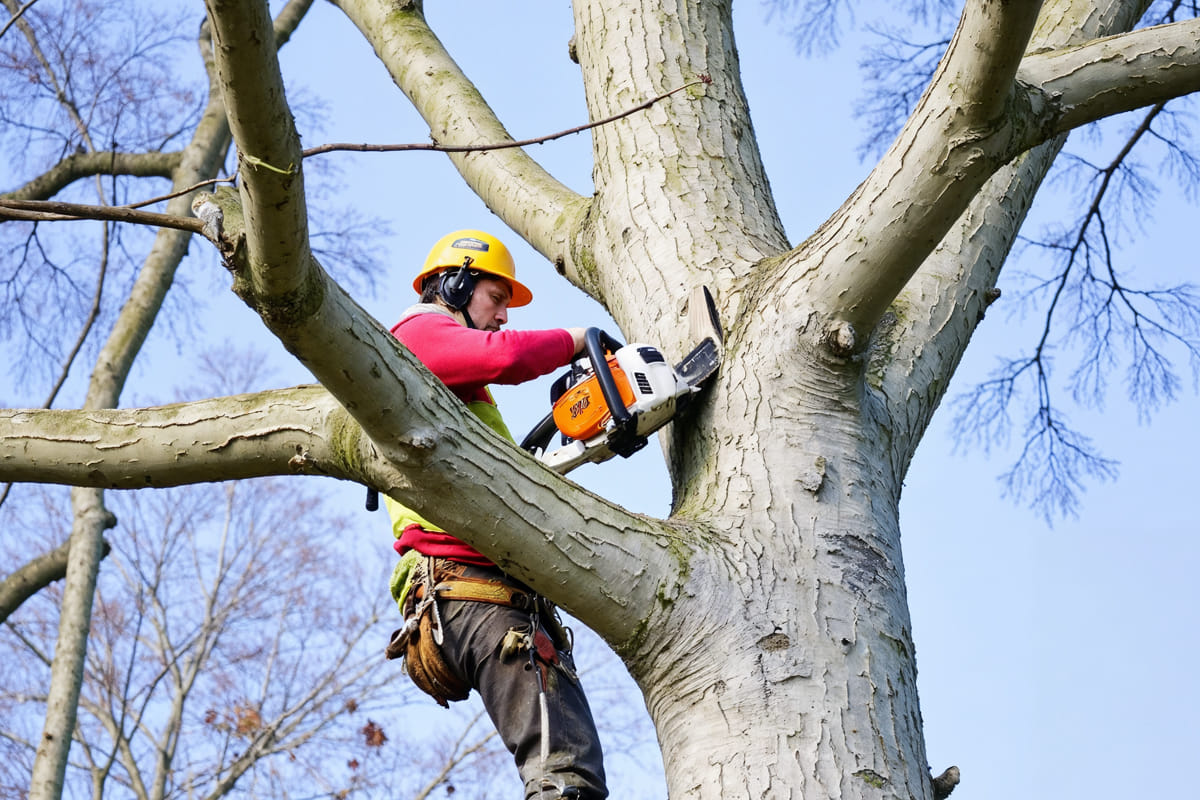
Tree Trimming vs. Tree Pruning: What’s the Difference?
If you have ever looked at a tree in your yard and thought, “That needs to be cut back,” you are not alone. Most homeowners know when a tree looks overgrown, messy, heavy, or too close to the house, although the right solution is not always as simple as grabbing a saw and removing the nearest limb.
Tree trimming and tree pruning are often used interchangeably, but they are not quite the same thing. They both involve removing branches, and they both can improve the safety and appearance of your property, yet the reason behind the cut is what really separates one from the other.
At Tangi Tree, we like to explain it in a practical way: trimming is usually about managing growth, while pruning is about improving the tree. Once you understand that difference, it becomes much easier to know what your trees may need, when to call for help, and why the right kind of cut matters.
Tree Trimming Is Usually About Shape, Space, and Clearance
Tree trimming is the service most people think of when branches are growing too far into the wrong places. A limb may be brushing the roof, hanging over the driveway, blocking a window, crowding a fence, or dipping low enough to get in the way when you mow the yard.
In those situations, trimming helps the tree fit better into the space around it. The goal is often practical, because even a healthy tree can become frustrating when it starts scraping shingles, dropping leaves into gutters, or making part of the yard feel closed in.
Trimming can also help a tree look cleaner and more balanced. That does not mean every tree should look perfectly rounded or heavily shaped, since trees are living things with natural habits, but a careful trim can make the whole property feel more open, cared for, and easier to maintain.
What Does Tree Pruning Actually Mean?
Tree pruning is more focused and intentional. Instead of cutting branches mainly because they are long or inconvenient, pruning looks at the tree’s health, structure, and long-term growth.
A pruning cut may remove a dead branch, a cracked limb, a diseased section, or a branch that is rubbing against another branch. It can also help correct weak growth patterns, especially when a tree is young enough that small adjustments can prevent bigger problems later.
Good pruning is not about cutting as much as possible. In many cases, the best pruning job is the one that removes only what needs to go, because a tree still needs enough healthy foliage to make energy, recover from cuts, and keep growing strong.
The Reason for the Cut Makes the Difference
The simplest way to tell trimming and pruning apart is to ask why the branch is being removed. If the goal is to create clearance, reduce overgrowth, or improve the overall shape, the work is usually trimming.
If the goal is to remove damage, reduce risk, improve structure, or protect the tree’s health, the work is usually pruning. That distinction may sound small, but it matters because trees do not respond well to careless cutting.
Every cut creates a wound, and while healthy trees can seal off many wounds over time, poor cuts can leave them more vulnerable to decay, insects, and weak regrowth. That is why professional tree care is not just about where the branch falls, but also about how the tree responds after the work is done.
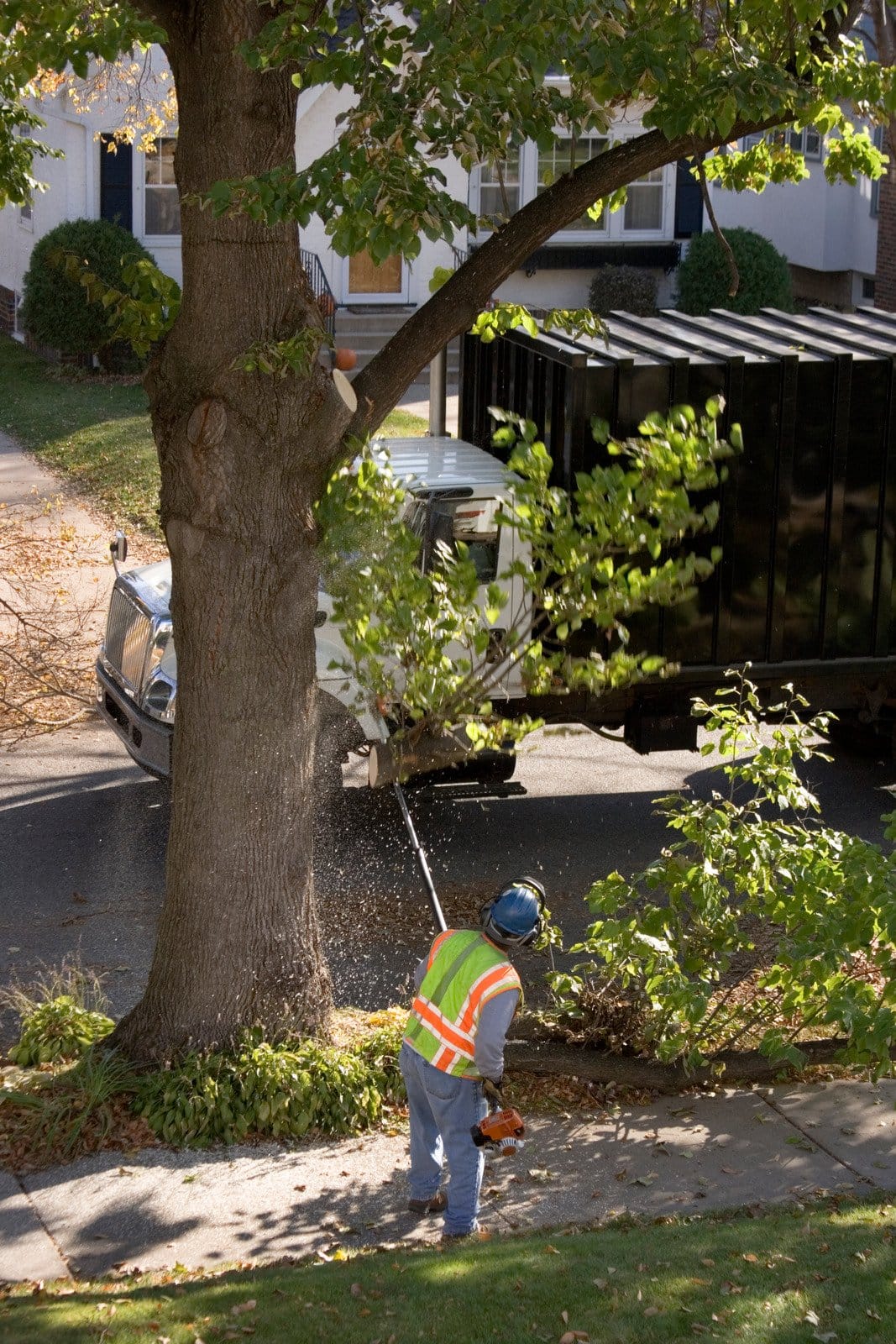
Why Do Homeowners Usually Ask for Trimming?
Many calls for trimming start with something obvious. Branches are touching the house. A tree is blocking a view. Limbs are hanging too low over a walkway. A once-manageable canopy has grown wider than expected, and now the yard feels crowded.
These are normal issues, especially on properties with established trees. Trees grow slowly enough that the change can sneak up on you, then one day you notice that a limb is sitting on the roofline or that the branches over the driveway are lower than they used to be.
Routine trimming helps keep that growth under control before it becomes a bigger headache. When done correctly, it can make a yard easier to use while still preserving the shade, beauty, and character that made the tree valuable in the first place.
Pruning Is About Solving Problems Before They Spread
Pruning often deals with problems that are less cosmetic but more important. Deadwood in the canopy, split limbs, storm-damaged branches, and weak attachments may not always stand out from the ground, yet they can create real safety concerns over time.
Removing unhealthy or damaged branches can help the rest of the tree use its energy more effectively. It may also reduce the chance of decay spreading into larger limbs, especially when the issue is caught early and handled with proper cuts.
There is a balance, though. Heavy-handed pruning can stress a tree, particularly if too much live growth is removed at once, which is why pruning should be based on what the tree actually needs rather than a general idea that more cutting is better.
Is One Service Better Than the Other?
Tree trimming is not better than pruning, and pruning is not better than trimming. They simply serve different purposes.
A healthy tree near a house may need trimming because its branches are getting too close to the roof. Another tree in the same yard may need pruning because it has dead limbs, a split branch, or a weak structure that could become dangerous during a storm.
Many trees need a little of both. A professional may trim certain branches for clearance while also pruning out dead or damaged limbs, and when the work is planned together, the result is usually better for both the property and the tree.
Tree work can sometimes be done when the need is obvious, especially if a branch is broken, hanging, or creating a safety hazard. In those cases, waiting for the perfect season does not make sense because the immediate risk is more important.
For non-emergency work, timing can affect how well a tree responds. Some pruning is best done during slower growth periods, while certain types of trimming may be planned around storm season, property maintenance, or the specific needs of the tree species.
In South Louisiana, where heat, humidity, heavy rain, and storms all play a role, timing becomes part of smart tree care. A tree that is already stressed by weather, poor drainage, pests, or disease may need a more careful approach than one that is healthy and growing vigorously.
Tree topping is one of those shortcuts that can create long-term problems. It usually involves cutting the upper part of a tree back to large stubs, often because someone wants to quickly reduce height.
The problem is that topped trees often respond by producing fast, weak shoots near the cut areas. Those shoots may make the tree look full again for a while, but they are usually not attached as strongly as natural branches, which can make the tree more hazardous later.
If a tree is too tall for its location, growing into a structure, or becoming difficult to manage safely, it needs a professional evaluation. Sometimes selective pruning can help, and sometimes removal is the more responsible option, but topping should not be confused with proper tree care.
Young trees are often overlooked because their branches are smaller and their problems seem less urgent. In reality, early pruning can be one of the best ways to help a young tree develop a strong shape.
Small cuts made at the right time can encourage better branch spacing, reduce competing stems, and help the tree form a stronger central structure. That kind of guidance is especially useful when a tree is planted near a home, driveway, fence, or outdoor living area.
The key word is guidance. Young trees should not be stripped, over-shaped, or cut back harshly, because they need leaves and healthy growth to become established.
A mature tree adds shade, beauty, and value to a property, but it also carries more weight, more risk, and more complexity. Large limbs cannot be treated like small branches, because removing them can affect balance, wound closure, and long-term stability.
With mature trees, pruning often focuses on removing deadwood, reducing obvious hazards, and preserving the tree’s natural structure. Trimming may still be needed for clearance, but it should be done in a way that does not leave the canopy lopsided or overly thin.
This is where experience matters. A trained crew can evaluate the branch structure, canopy weight, surrounding property, and visible signs of stress before deciding what should be removed and what should stay.
Can Tree Work Help With Storm Readiness?
Tree trimming and pruning cannot storm-proof a property, and anyone who promises that is overselling the work. Storms are unpredictable, and even healthy trees can lose branches when wind, saturated soil, and heavy rain come together.
That said, smart tree care can reduce obvious risks. Dead limbs, cracked branches, heavy overhangs, and weak growth are all worth addressing before bad weather arrives, because those are the kinds of issues that can become more serious under pressure.
For many homeowners, regular tree care is part of responsible property maintenance. It does not remove every risk, but it can make the yard safer, cleaner, and better prepared for the conditions trees face throughout the year.
How Do You Know What Your Tree Needs?
You may need trimming if the tree looks healthy but has branches growing into spaces where they do not belong. Rooflines, gutters, walkways, driveways, fences, and outdoor seating areas are all common reasons to schedule trimming.
You may need pruning if you see dead limbs, broken branches, disease concerns, rubbing branches, weak forks, or storm damage. Sometimes the signs are easy to spot, while other times they are hidden higher in the canopy.
You do not have to diagnose the tree yourself before calling Tangi Tree. A good conversation about what you are seeing, what worries you, and what you want to accomplish is usually enough to start the process.
Why Professional Tree Care Is Worth It
Tree work can look simple from the ground, but it becomes much more complicated once height, weight, equipment, and nearby structures are involved. A branch that seems manageable may twist, drop, or swing in an unexpected direction once it is cut.
Professional crews understand how to make controlled cuts, protect nearby property, and remove branches without creating unnecessary damage. They also know when a tree should be trimmed lightly, pruned more carefully, or evaluated for removal because the risk is too high.
Hiring a professional is not just about convenience. It is about safety, judgment, and making sure the tree is left in better condition than it was before the work began.
Healthy Trees Should Still Look Natural
One of the best signs of quality tree work is that the tree still looks like itself afterward. It should look cleaner, safer, and more balanced, but not hacked apart or forced into a shape that does not match its natural growth.
Good trimming respects the tree’s surroundings. Good pruning respects the tree’s biology. When both are done well, the result feels natural instead of severe.
That matters because trees are a long-term part of the landscape. A quick, careless cut may solve one problem today, but careful tree care helps protect the shade, structure, and beauty you want to keep for years.
Tangi Tree Can Help You Make the Right Call
Tree trimming and tree pruning are closely related, but they are not the same service. Trimming usually manages growth, shape, and clearance, while pruning focuses more on health, safety, and structure.
The best tree care starts with understanding the goal. Once you know whether the issue is appearance, clearance, health, structure, or safety, it becomes much easier to give the tree exactly what it needs.

Tangi Tree is an ISA-certified arborist and DBE-certified contractor providing professional tree care across the South, backed by Louisiana state licensing and industry certifications.
Arborist License #2577 #2665
(985) 370-6100 




On Staff
Quick Links
Services
Get in Touch
Northshore: 985-370-6100
Southshore: 504-447-8733
Baton Rouge: 225-277-7724
Mississippi: 601-901-7330
©2026 Tangi Tree Co — All Rights Reserved — Privacy Policy