Get storm-ready! Be hurricane-prepared BEFORE the season starts.
What to Do If a Tree Falls on Your House
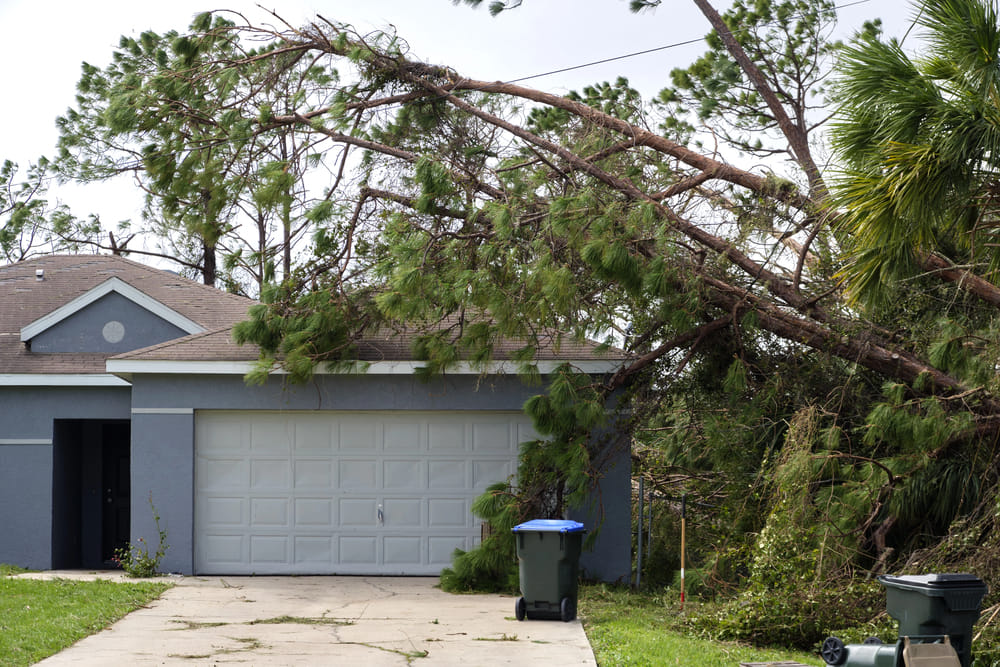
A tree falling on your house is one of those moments that makes everything feel frozen, even if the storm is still moving. Once the shock wears off, quick action matters because the next few minutes can affect safety, insurance timelines, and how much additional damage your home takes on. When you know what to do if a tree falls on your house, you can protect your family first, then start the cleanup and repair process without making things worse. The best approach is to treat the situation like a safety event first and a property event second. Once everyone is safe, the right calls, documentation, and professional help can make the entire recovery smoother.
First Steps to Take After a Tree Falls on Your House
The first priority is always life safety, because trees can keep moving after impact as branches settle or the trunk rolls slightly. If the tree hit your roof or a main wall, the structure may be compromised in ways you cannot see from the living room. Even if the home looks “mostly fine,” cracking sounds, shifting drywall, or sagging ceilings can indicate stress where you do not want to stand. Moving everyone to a safe area gives you space to think clearly and prevents panic from turning into injuries.
Once you are safe, scan for immediate hazards before taking any other action. Downed limbs can hide power lines, and a damaged electrical service line can energize the tree itself, nearby metal objects, or wet ground. Gas lines, damaged meters, and broken vents can create a different kind of danger that is not obvious at first glance. If anything feels unsafe, treat that instinct as your best warning sign and get outside.
Evacuate Safely Without Making Damage Worse
A smart evacuation is calm, quick, and simple, because the goal is to leave without stepping into a new hazard. Grab essential items only if they are within easy reach, such as your phone, keys, and shoes, and do not wander through damaged rooms searching for things. Broken glass, nails, insulation, and sharp wood splinters can cause injuries fast when adrenaline is running. If part of the ceiling is sagging or water is pouring in, treat it like a “do not enter” zone.
If you have kids or elderly family members in the home, assign one adult to each person who needs help, and move together. A fallen tree can block normal exits, which is why it helps to know where a second exit could be ahead of time. If a door is jammed, do not force it if the frame is distorted or the roofline is pushing down. Move to another exit and keep everyone accounted for once you are outside.
When Should You Call Emergency Services?
Emergency services are for life safety issues, structural collapse risk, fire hazards, and power line situations, not just property damage. If someone is injured, trapped, or unable to evacuate safely, call 911 right away. A tree that hits the home’s service line, pulls down lines from the street, or causes sparking should be treated as an emergency even if flames are not visible. Fire departments often coordinate with the utility company to secure the scene before any cleanup begins.
Calling emergency services also makes sense if the tree is actively shifting, the roof is sagging badly, or the home is taking on heavy water that could lead to collapse. Nobody wants to be dramatic, yet safety decisions are not the place to be optimistic. A tree trunk can weigh thousands of pounds, and the pressure points after impact are unpredictable. Getting professionals on scene protects you from making a split-second decision that turns into a serious injury.
Avoid Downed Power Lines and Hidden Electrical Risk
Power line safety is the biggest “invisible” danger in these situations, because electricity does not look dangerous until it is. A line can be down, tangled in branches, or resting against the roof, and it can still be energized even if the neighborhood looks dark. Electricity can also travel through water, wet soil, and metal gutters, which is why distance is your friend. Stay at least 30 feet away from any suspected downed line, and keep others back too.
If the tree is touching a line, do not assume it is safe because it is wood. Wet wood can conduct electricity, and the tree can energize the ground around it. Never attempt to cut branches, move debris, or “clear a path” yourself in this scenario. Your safest move is to call the utility company and wait for confirmation that the power is shut off and the area is secured.
Who to Call After Tree Damage
Once the scene is safe and everyone is out of harm’s way, the next step is starting the recovery process with the right calls in the right order. Many homeowners waste time calling three different people at once, then end up with confusing instructions and duplicate visits. A better approach is to think of this as a chain reaction: safety first, documentation second, stabilization third, and full repairs last. When you follow that sequence, your insurance claim usually goes more smoothly and your home is less likely to suffer secondary damage.
These situations often involve more than one professional, because removing the tree is not the same as repairing the home. Your insurance company may want photos and details, while your tree crew focuses on safe removal and protecting nearby structures. A restoration contractor may step in to tarp, dry, and secure the home before long-term repairs begin. Clear communication across these roles prevents delays, especially after storms when schedules are tight across Louisiana.
What to Document for Insurance Without Slowing Down Safety
Insurance companies move faster when you provide clear proof, yet you should never re-enter an unsafe home just for photos. Take pictures from outside first, capturing the tree’s position, the contact points, and any visible structural damage. If safe, photograph damage inside as well, focusing on ceilings, walls, water intrusion, broken windows, and damaged belongings. Video can also help because it shows the overall scene in a way single images sometimes miss.
Write down the time of the incident, the weather conditions, and any immediate actions you took. Document who you called and when, including utilities, emergency services, and contractors. This creates a timeline that helps your adjuster understand urgency and justify emergency work. If you can do it safely, place a tarp or cover for exposed openings, because preventing additional damage is often part of the homeowner’s responsibility.
Why Professional Tree Removal Matters More Than People Think
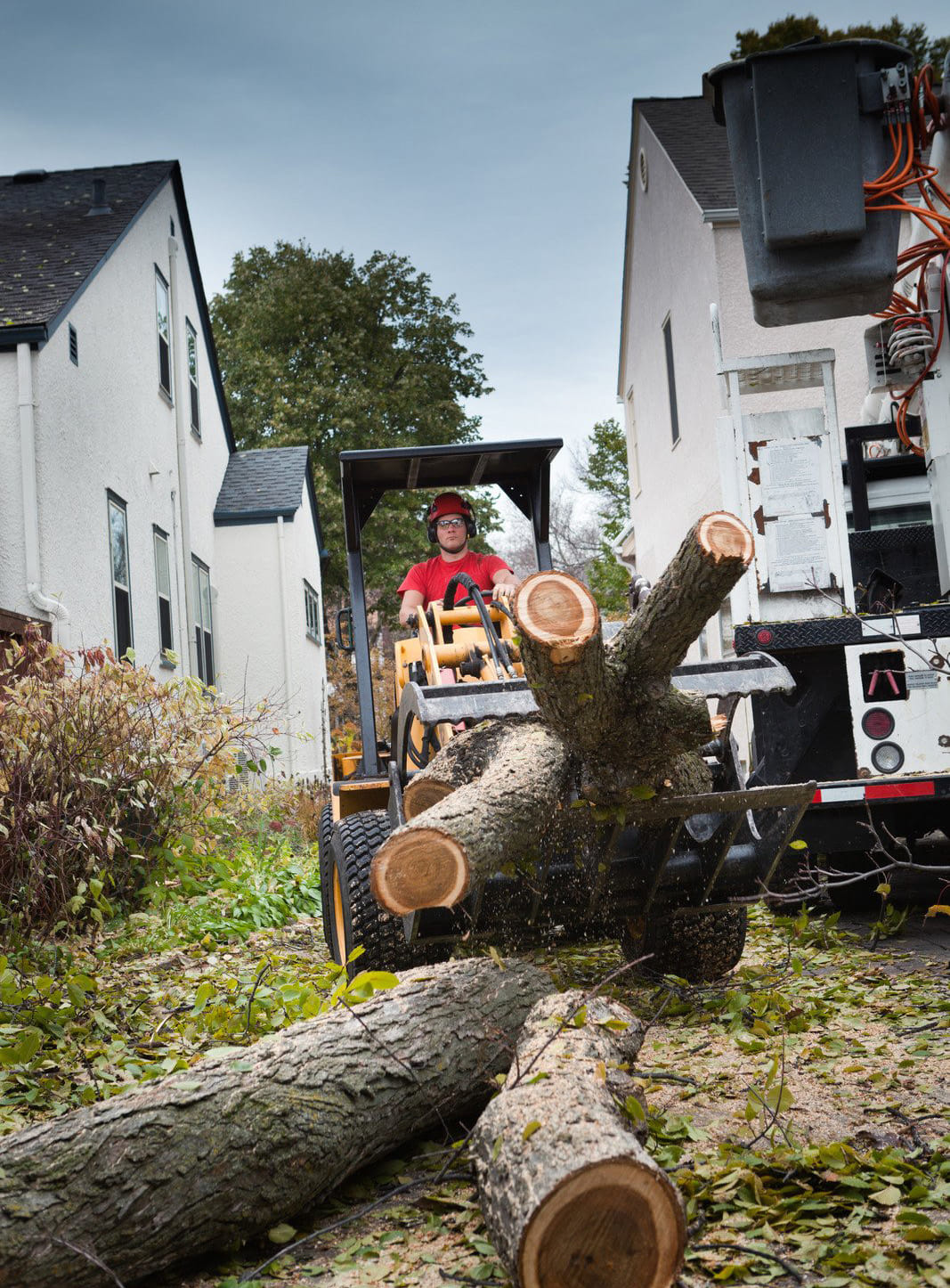
A fallen tree on a house is not just a big stick on a roof, it is a loaded structure under tension. Limbs can be pinned, bent, and storing energy like a spring, which means one wrong cut can cause a violent shift. Chainsaws and ladders are a dangerous mix even in perfect weather, and storm debris rarely provides perfect conditions. Professional crews plan removal cuts based on weight distribution, roof pressure, and safe exit paths.
Tree removal also needs to be coordinated with the home itself, especially if the trunk is bearing down on rafters or walls. Cutting the wrong section first can cause the tree to drop suddenly into the structure, making a bad situation much worse. Licensed crews use rigging, controlled lowering, and equipment designed to reduce impact. The result is usually less structural damage, fewer injuries, and a cleaner start for restoration work.
How Tangi Tree Handles Emergency Tree Removal
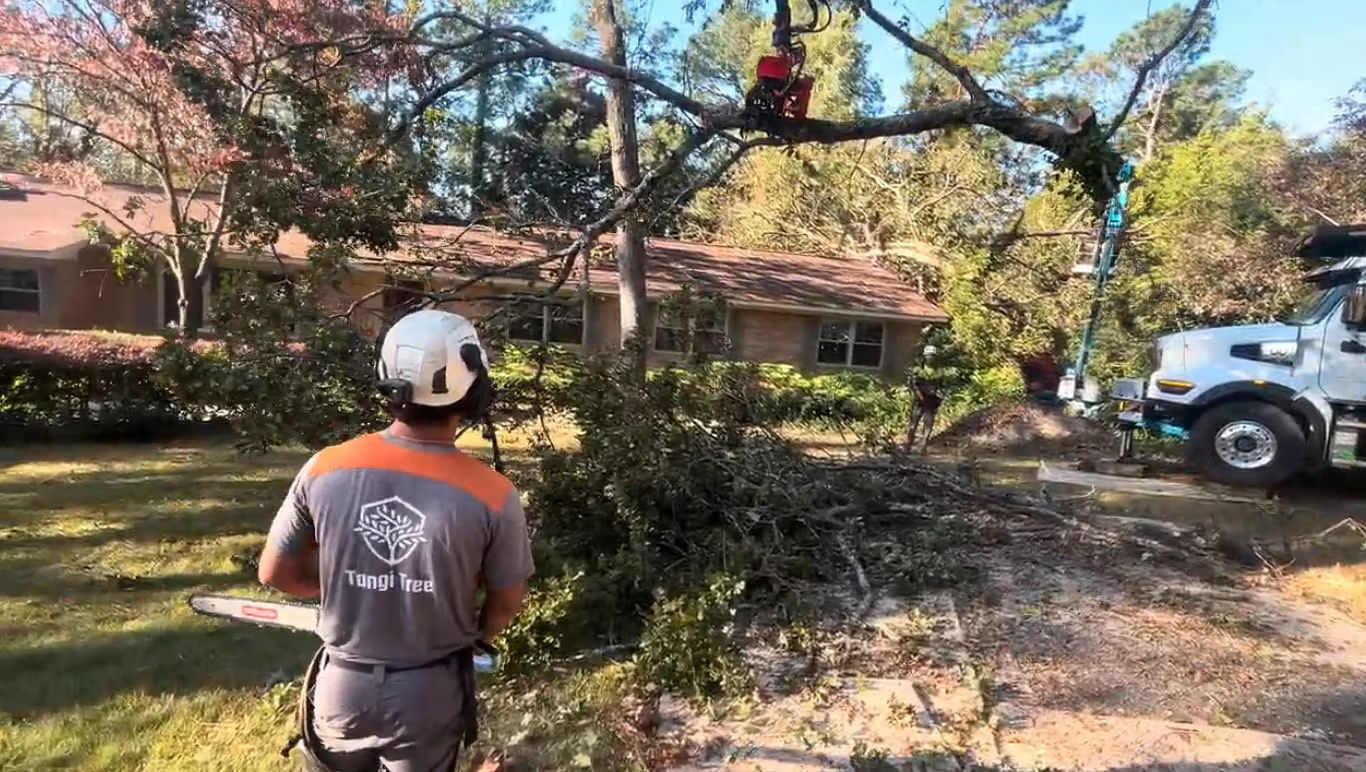
When you call Tangi Tree for an emergency, the goal is to stabilize the situation and remove the tree safely, not rush in swinging a saw. A proper response starts with a quick assessment of hazards, including power lines, unstable limbs, and access challenges around the home. If utilities are involved, coordination comes first, because no tree removal is worth risking electrocution. Once the area is secured, the crew plans the safest sequence for removal based on pressure points and structural impact.
Emergency removal often happens in stages, because the safest way to lift weight off a roof is rarely a single cut. Branches may need to be reduced first, then larger sections rigged down, then the trunk addressed once the structure is relieved. This careful approach protects your roofline, gutters, windows, and surrounding landscaping. Cleanup also matters, because scattered debris can puncture shingles, damage siding, and create trip hazards when you are already stressed.
Tangi Tree also pays attention to what happens after the tree is off the house, because that is when homeowners feel overwhelmed by the “now what” phase. If a roof is exposed, you may need temporary protection to keep rain out until repairs begin. If additional trees are damaged nearby, you may need a quick hazard check to prevent a second incident. A good emergency response is not only removal, it is setting you up for a smoother recovery.
What Happens After the Tree Is Removed?
Once the tree is off your home, the situation often looks calmer, yet that is when hidden damage becomes easier to spot. Roof impacts can break decking, loosen shingles, and crack flashing around vents and chimneys. Water intrusion may show up as ceiling stains, damp insulation, or warped drywall that takes time to become obvious. A careful walk-through with a restoration professional or contractor helps you identify what must be addressed immediately.
Drying and stabilization are usually the next big priorities, because moisture problems can snowball quickly in Louisiana’s humidity. Wet materials can lead to odor, swelling wood, and mold growth if drying is delayed. Temporary tarps, board-ups, and controlled drying equipment can reduce long-term repair costs. This is also a good time to check attic spaces safely, since roof impacts often leave damage that is not visible from inside the home’s living areas.
Common Questions about Trees Falling on Homes
Call 911 first if anyone is injured, trapped, or in immediate danger, because safety always comes before property concerns. If power lines are down or sparking, emergency services and the utility company should be involved right away. Once the scene is safe, call your insurance company to start the claim and confirm what emergency mitigation steps they recommend. After that, contact a licensed tree service like Tangi Tree to remove the tree without causing additional structural damage.
Homeowners insurance often covers damage to the house caused by a fallen tree, especially when the tree fell due to wind, lightning, or another covered event. Coverage details vary based on your policy, deductible, and whether the tree came from your property or a neighbor’s property. Insurance may cover both repairs and tree removal in certain situations, particularly when the tree blocks access or causes structural damage. The best move is to document the scene and speak with your insurer quickly so you understand what is covered and what steps are approved.
Response time depends on storm conditions, local demand, road access, and whether utilities need to secure the area first. After major weather events, emergency calls spike across Louisiana, so crews prioritize the most dangerous situations first. If the tree is on your home, blocking entry, or creating a safety hazard, it is usually treated as high priority. Calling as soon as you are safe increases your chances of getting faster service, especially when storms impact multiple neighborhoods.
Trees near power lines can be removed safely, but only when handled with the right training and coordination. Power lines may still be energized even when the power appears out, and contact with limbs can energize the tree and ground. Utility companies may need to shut down or confirm power status before cutting begins. A professional tree service will treat any wire involvement as a serious hazard and will not proceed until the scene is safe to work.
Need Help Right Now? Call Tangi Tree for Emergency Tree Removal
If you are dealing with storm damage and you are not sure what to do next, the safest move is to get expert help quickly. Tangi Tree can remove fallen trees, reduce immediate risk, and help you take control of the situation without adding more damage to your home. Quick action protects your family, supports your insurance claim, and keeps a rough day from becoming a long-term repair nightmare. Call Tangi Tree for 24/7 emergency tree service in Louisiana and get the problem handled the right way.


Tangi Tree is an ISA-certified arborist and DBE-certified contractor providing professional tree care across the South, backed by Louisiana state licensing and industry certifications.
Arborist License #2577 #2665
(985) 370-6100 





On Staff
Quick Links
Services
Get in Touch
Northshore: 985-370-6100
Southshore: 504-447-8733
Baton Rouge: 225-277-7724
Mississippi: 601-901-7330
©2026 Tangi Tree Co — All Rights Reserved — Privacy Policy